February 11, 2026 | Sensation Preserving Top Surgery
3 minute read

Top surgery has become a cornerstone procedure for many individuals seeking gender-affirming care. At its foundation, the operation involves removal of breast tissue (i.e., a mastectomy), combined with thoughtful contouring and reshaping of the skin and chest wall to create a form that aligns more closely with one’s gender identity and aesthetic goals. When performed well, the result can be profoundly affirming—physically, emotionally, and socially.
Historically, however, one consequence has often been presented as unavoidable: numbness. Much like mastectomy procedures in the cis-gender population, traditional techniques frequently sacrifice the sensory nerves of the chest wall and nipple–areolar complex. Loss of sensation has long been considered an acceptable trade-off for achieving a flat, contoured chest. Fortunately, this trade-off is no longer inevitable.
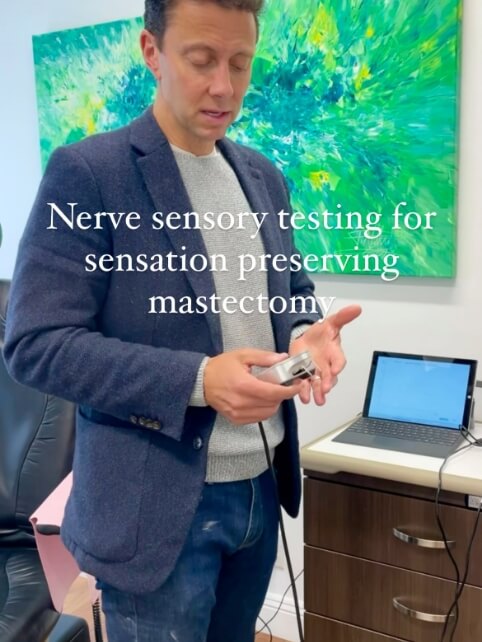
Advances in peripheral nerve surgery now allow for deliberate reconstruction and in some cases preservation of key sensory nerves during top surgery. By identifying, protecting, and when necessary repairing or grafting these nerves, surgeons can restore meaningful sensation to the chest and nipple–areolar complex—often to a surprisingly high degree. Importantly, these techniques can be incorporated into multiple established top surgery approaches without compromising aesthetic outcomes.
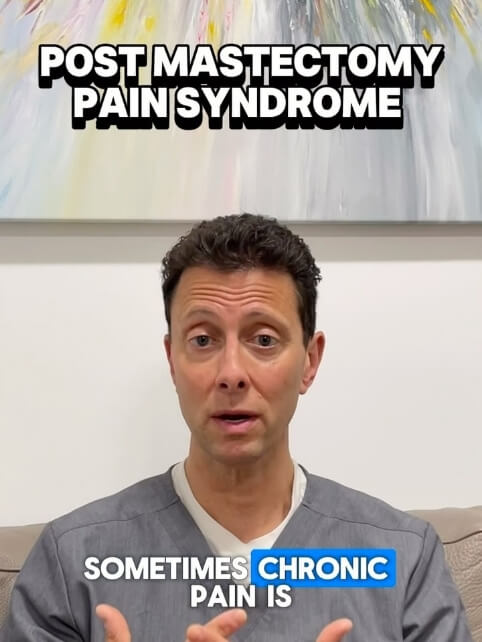
Beyond restoring feeling, thoughtful nerve management offers additional benefits. When nerves are carefully handled rather than simply divided, the risk of abnormal regrowth, neuroma formation, and post-mastectomy pain syndrome is significantly reduced. In other words, patients are less likely to experience chronic discomfort while more likely to retain natural, functional sensation. And that sensation matters in ways both intimate and everyday.
Patients frequently describe the return of touch during closeness with a partner, but the impact extends far beyond intimacy. Many speak about simple, meaningful experiences—feeling the warmth of sunlight on their chest for the first time, the pressure of a hug from someone they love, or the soft texture of clothing or a favorite blanket. Even protective sensation plays a crucial role, alerting someone when friction or pressure might otherwise lead to irritation, skin breakdown, or scarring. These small moments collectively contribute to a deeper sense of embodiment and connection with one’s body.
Top surgery is not only about shape and appearance. It is also about function, comfort, and the ability to fully inhabit one’s chest without numbness or pain. If you are considering top surgery, it is worth discussing nerve preservation and reconstruction with your surgical team. Sensation does not have to be sacrificed. With modern techniques, it can be an intentional and integral part of your care.